
Home 9 Latest News 9 What’s your business’s view on Return to Office?

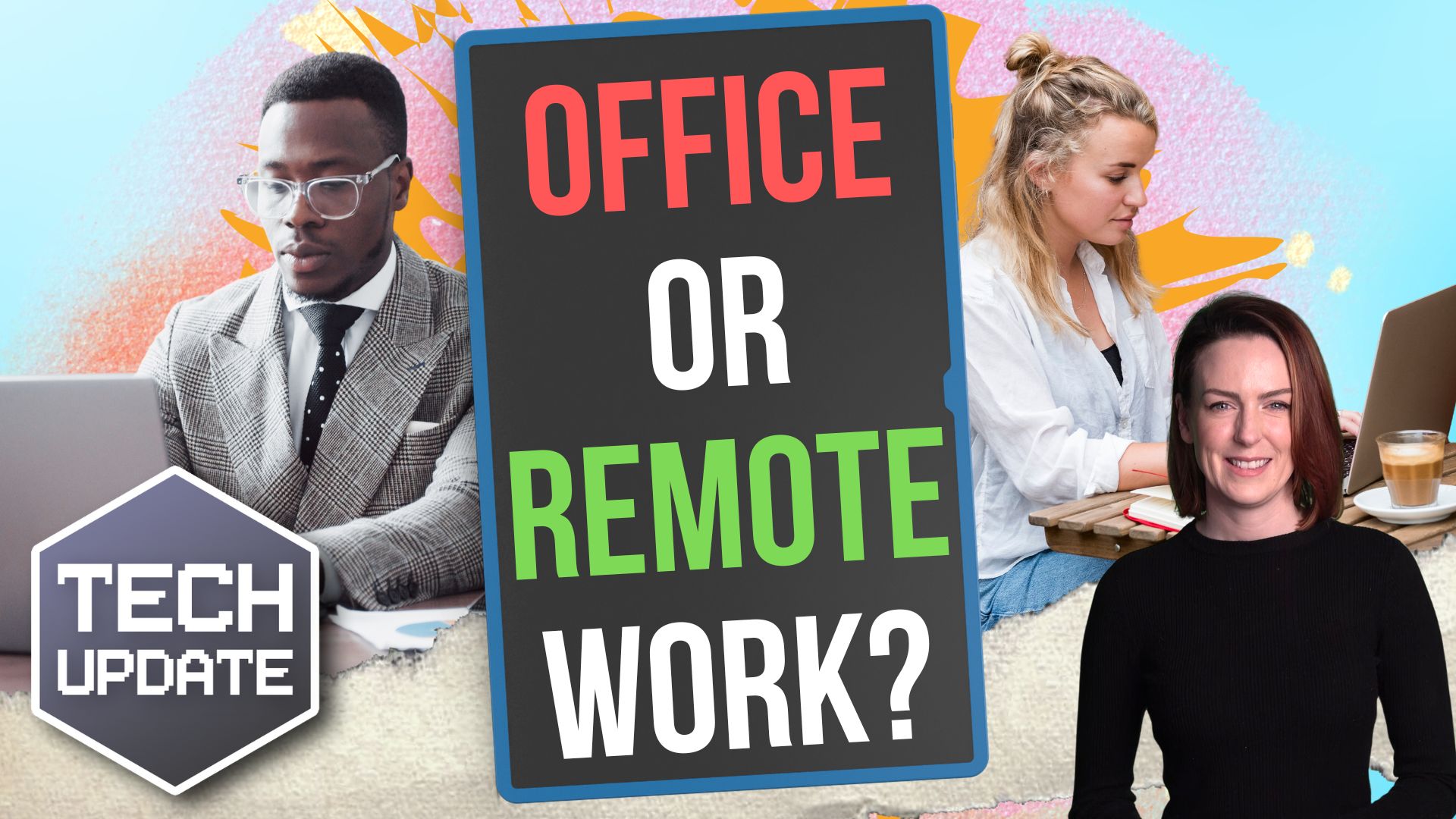
What’s your business’s view on Return to Office?

The way we work has changed massively over the past few years, hasn’t it? The global pandemic created a huge shift towards remote working. And now businesses are divided on the right way to move forward.

Some businesses are eager to bring everyone back to the office. But others are keen to keep things flexible. If you’re wondering what’s best for your business, it may be time to look at the big picture: What works, what doesn’t, and what do you need to keep an eye on?

Let’s face it, working from home has its perks. No commute, fewer interruptions, and a chance to keep up with the laundry between meetings. For many employees, it can boost productivity, improve work-life balance, and reduce stress.

Remote working isn’t just about employee happiness, though.

Businesses forcing staff back into full-time office work are losing people – particularly their top talent. A recent study found that companies with strict Return to Office policies saw a 14% jump in employees quitting… and these aren’t the ones you can replace in a snap. We’re talking about senior staff and highly skilled workers who take a lot of knowledge with them.

On top of that, finding new people to fill those roles is taking longer (23% longer, according to the report). And it’s not cheap to hire replacements, either. Today’s employees want flexibility. And businesses offering remote or hybrid roles are getting a recruitment advantage.

Where things get difficult is around the issue of data security. Although working from home or a coffee shop might sound great, public Wi-Fi can be like an open door for cyber criminals.

Your business data could also be at risk if your employees work from their personal devices (which might not have seen a software update in months). Or if they work from a home PC they share with their partner or kids.

The good news is that there are some simple ways to protect your business while allowing your employees to work flexibly.

Extra security measures like multi-factor authentication (that extra code you’re asked to enter when you log in) can help to keep things locked down. And a little training to teach your team how to spot email scams can also make a huge difference.

So, should you bring your employees back to the office or embrace remote working? There’s no “one-size-fits-all” answer.

Some businesses thrive with everyone in the office, while others find that giving people the choice brings out the best in their employees. The real trick is finding what works for your team.

Just remember: If you’re letting people work from anywhere, don’t skimp on security. A flexible approach with strong protections can give you the best of both worlds – happy employees and a secure business.

If you’d like advice on how to keep your business data secure while supporting flexible working, we can help. Get in touch.

Recent Posts

Cyber Security Is Not Your Job. Understanding Business Risk Is.

Cyber Security Is Not Your Job. Understanding Business Risk Is.

Many business owners switch off the moment cyber security enters the conversation. They picture firewalls, software updates, security alerts and technical jargon. It feels like something that belongs firmly in the hands of IT professionals. The reality is very...

Cyber Confidence Guide and checklist.

Cyber Confidence Guide and checklist.

Welcome to the Cyber Confidence Guide Cyber security is no longer just an IT concern. It is a business priority. Whether your organisation has five employees or five hundred, protecting your systems, data and people is essential to maintaining trust, productivity and...

The 30-Minute IT Health Check Every Small Business Should Do

The 30-Minute IT Health Check Every Small Business Should Do

The 30-Minute IT Health Check Every Small Business Should Do Monthly Most IT problems don't appear out of nowhere. Backups quietly stop running, updates sit unfinished for weeks and old staff accounts stay active long after someone has left the business. A simple...

What Are Passkeys, and Should Your Business Use Them?

What Are Passkeys, and Should Your Business Use Them?

Cybersecurity made simple Passkeys: The Safer, Simpler Way to Sign In Without Passwords Passwords have been causing businesses problems for years. They get reused, forgotten, guessed, leaked, written down, shared, and typed into fake login pages by mistake. Passkeys...

How are cyber attacks effecting your insurance?

How are cyber attacks effecting your insurance?

Cyber Insurance Renewal: What’s Changed and How to Avoid Claim Denial If your cyber insurance renewal feels harder this year, you’re not alone. Right now, many businesses are facing longer forms, tougher questions, and more pressure to prove their security. As a...

Could Someone Send Emails Pretending To Be Your Business

Could Someone Send Emails Pretending To Be Your Business

Cyber Security Guide Could Someone Send Emails Pretending To Be Your Business? Email spoofing is one of the simplest ways scammers can damage trust in your business. The good news is that three DNS records — SPF, DKIM and DMARC — can make it much harder for criminals...

Continuous Digital Transformation Partnerships

Continuous Digital Transformation Partnerships

Continuous Digital Transformation Partnerships Why outsourcing is no longer about handing work off, but moving forward together For many organisations, change never really stops. You upgrade one system, and another starts to fall behind. You move to the cloud, and...

5 Microsoft 365 Settings You Should Check Today

5 Microsoft 365 Settings You Should Check Today

5 Microsoft 365 Settings You Should Check Today (Especially if Your Setup Is a Few Years Old) If your Microsoft 365 system was set up a few years ago, there’s a good chance it’s not as secure as you think. Microsoft has improved security defaults over time. But those...

Could a Cyber Criminal Send Emails Pretending to Be You?

Could a Cyber Criminal Send Emails Pretending to Be You?

Could a Cyber Criminal Send Emails Pretending to Be Your Company Today? Imagine one of your customers receives an email from what appears to be your accounts department. The branding looks correct. The signature looks genuine. The email address seems legitimate. The...