
Home 9 Latest News 9 Warning: Don’t ignore hardware requirements for Windows 11

Warning: Don’t ignore hardware requirements for Windows 11

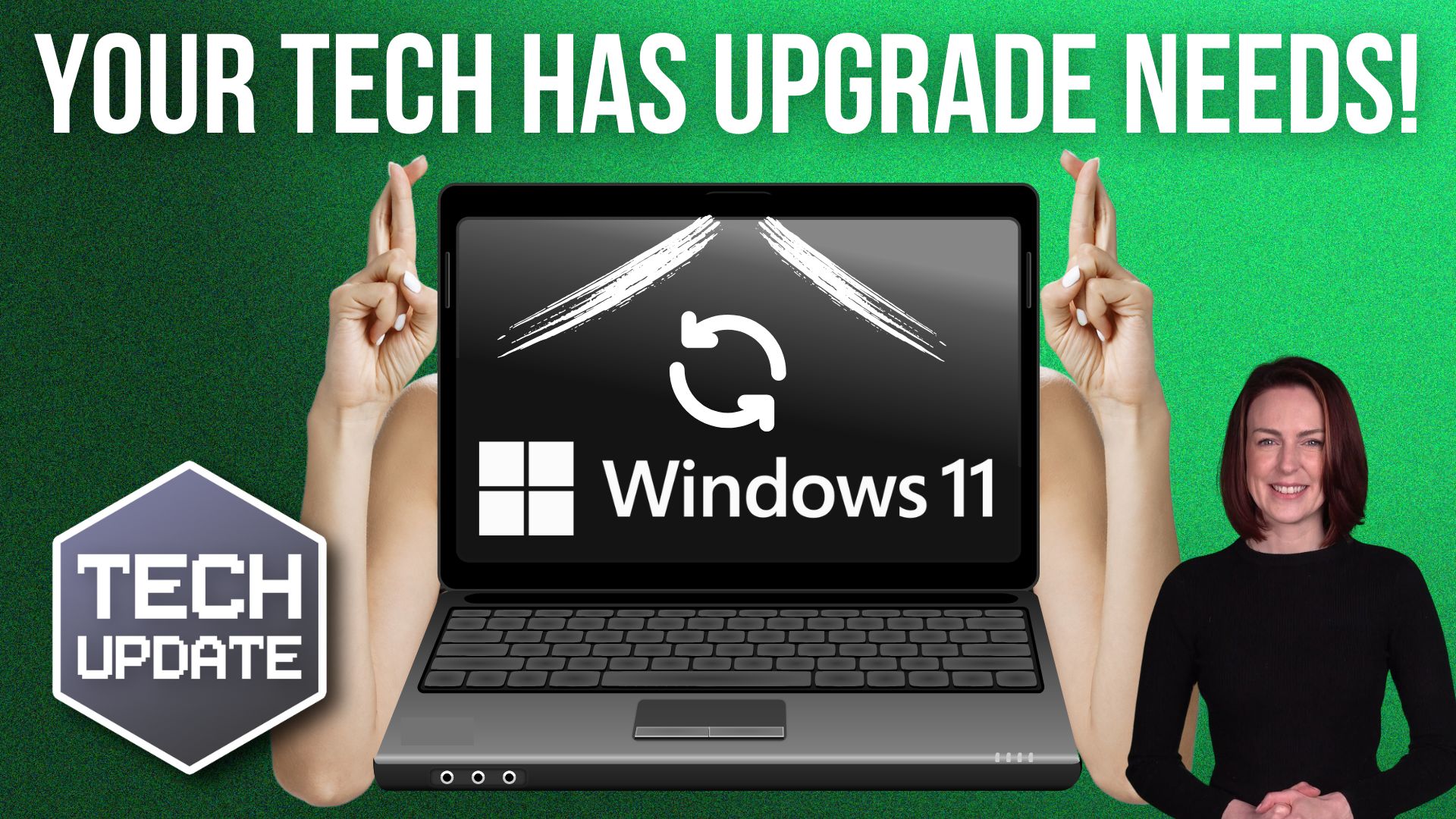
So, you’ve gone ahead and upgraded to Windows 11. You’re ready to explore the fresh design and all the new features. But instead of smooth sailing, your computer slows to a crawl… random errors start popping up… and you can’t install any security updates…

That’s the nightmare faced by businesses that try to run Windows 11 on unsupported hardware.

Hardware requirements are a checklist you should use to make sure your business devices can handle an upgrade.

Think of it like a recipe: If you’re missing a key ingredient, the dish won’t turn out quite right. And while you might like to improvise in the kitchen, it’s better not to risk it with your business tech.

Windows 11 brings a leap forward in both performance and security. If you want to make that jump, you need a solid foundation in the form of modern hardware that can support its advanced features.

One of the key requirements for Windows 11 is something called TPM 2.0. This is a small chip that acts like a security vault for your PC, locking away passwords, encryption keys, and other sensitive data. TPM 2.0 is also essential for preventing certain types of cyber attacks. Without it, your system is more vulnerable.

Other requirements – like enough memory (RAM), sufficient storage, and a compatible processor – help to make sure your device can run Windows 11 smoothly.

Microsoft has warned that forcing Windows 11 onto unsupported hardware is a risky move. Sure, you can do it – but you’ll be on your own if things go wrong. Your device won’t receive updates, including critical security patches that keep your systems safe from cyber attacks and other threats. Without updates, your business’s devices become an easy target.

So, you might be thinking – why not just stick with Windows 10?

Here’s the thing: Microsoft is ending free support for Windows 10 in October this year. After that…

  • No more updates
  • No more fixes
  • And no more free security patches.

There is an option to pay for extended security updates, but it’s not a permanent solution. Upgrading to Windows 11 helps to make sure your systems stay secure for the long haul, without extra costs and headaches down the line. And beyond the security benefits, Windows 11 comes with loads of productivity tools designed to make your business run more smoothly.

If upgrading your hardware feels like an unnecessary expense, think of it as an investment. Modern devices don’t just meet Windows 11’s requirements; they run faster, last longer, and reduce the risk of downtime.

The bottom line is that hardware requirements aren’t just suggestions – they’re there to protect your business and give your team the tools they need to succeed.

If your devices don’t meet Windows 11’s requirements, now is the time to plan your next steps. Don’t wait until Windows 10 support ends or your systems become a security risk for your business.

We can help you upgrade without the stress. Get in touch.
Recent Posts

Cyber Security Is Not Your Job. Understanding Business Risk Is.

Cyber Security Is Not Your Job. Understanding Business Risk Is.

Many business owners switch off the moment cyber security enters the conversation. They picture firewalls, software updates, security alerts and technical jargon. It feels like something that belongs firmly in the hands of IT professionals. The reality is very...

Cyber Confidence Guide and checklist.

Cyber Confidence Guide and checklist.

Welcome to the Cyber Confidence Guide Cyber security is no longer just an IT concern. It is a business priority. Whether your organisation has five employees or five hundred, protecting your systems, data and people is essential to maintaining trust, productivity and...

The 30-Minute IT Health Check Every Small Business Should Do

The 30-Minute IT Health Check Every Small Business Should Do

The 30-Minute IT Health Check Every Small Business Should Do Monthly Most IT problems don't appear out of nowhere. Backups quietly stop running, updates sit unfinished for weeks and old staff accounts stay active long after someone has left the business. A simple...

What Are Passkeys, and Should Your Business Use Them?

What Are Passkeys, and Should Your Business Use Them?

Cybersecurity made simple Passkeys: The Safer, Simpler Way to Sign In Without Passwords Passwords have been causing businesses problems for years. They get reused, forgotten, guessed, leaked, written down, shared, and typed into fake login pages by mistake. Passkeys...

How are cyber attacks effecting your insurance?

How are cyber attacks effecting your insurance?

Cyber Insurance Renewal: What’s Changed and How to Avoid Claim Denial If your cyber insurance renewal feels harder this year, you’re not alone. Right now, many businesses are facing longer forms, tougher questions, and more pressure to prove their security. As a...

Could Someone Send Emails Pretending To Be Your Business

Could Someone Send Emails Pretending To Be Your Business

Cyber Security Guide Could Someone Send Emails Pretending To Be Your Business? Email spoofing is one of the simplest ways scammers can damage trust in your business. The good news is that three DNS records — SPF, DKIM and DMARC — can make it much harder for criminals...

Continuous Digital Transformation Partnerships

Continuous Digital Transformation Partnerships

Continuous Digital Transformation Partnerships Why outsourcing is no longer about handing work off, but moving forward together For many organisations, change never really stops. You upgrade one system, and another starts to fall behind. You move to the cloud, and...

5 Microsoft 365 Settings You Should Check Today

5 Microsoft 365 Settings You Should Check Today

5 Microsoft 365 Settings You Should Check Today (Especially if Your Setup Is a Few Years Old) If your Microsoft 365 system was set up a few years ago, there’s a good chance it’s not as secure as you think. Microsoft has improved security defaults over time. But those...

Could a Cyber Criminal Send Emails Pretending to Be You?

Could a Cyber Criminal Send Emails Pretending to Be You?

Could a Cyber Criminal Send Emails Pretending to Be Your Company Today? Imagine one of your customers receives an email from what appears to be your accounts department. The branding looks correct. The signature looks genuine. The email address seems legitimate. The...