
Home 9 Latest News 9 Warning: That antivirus website could be a fake

Warning: That antivirus website could be a fake

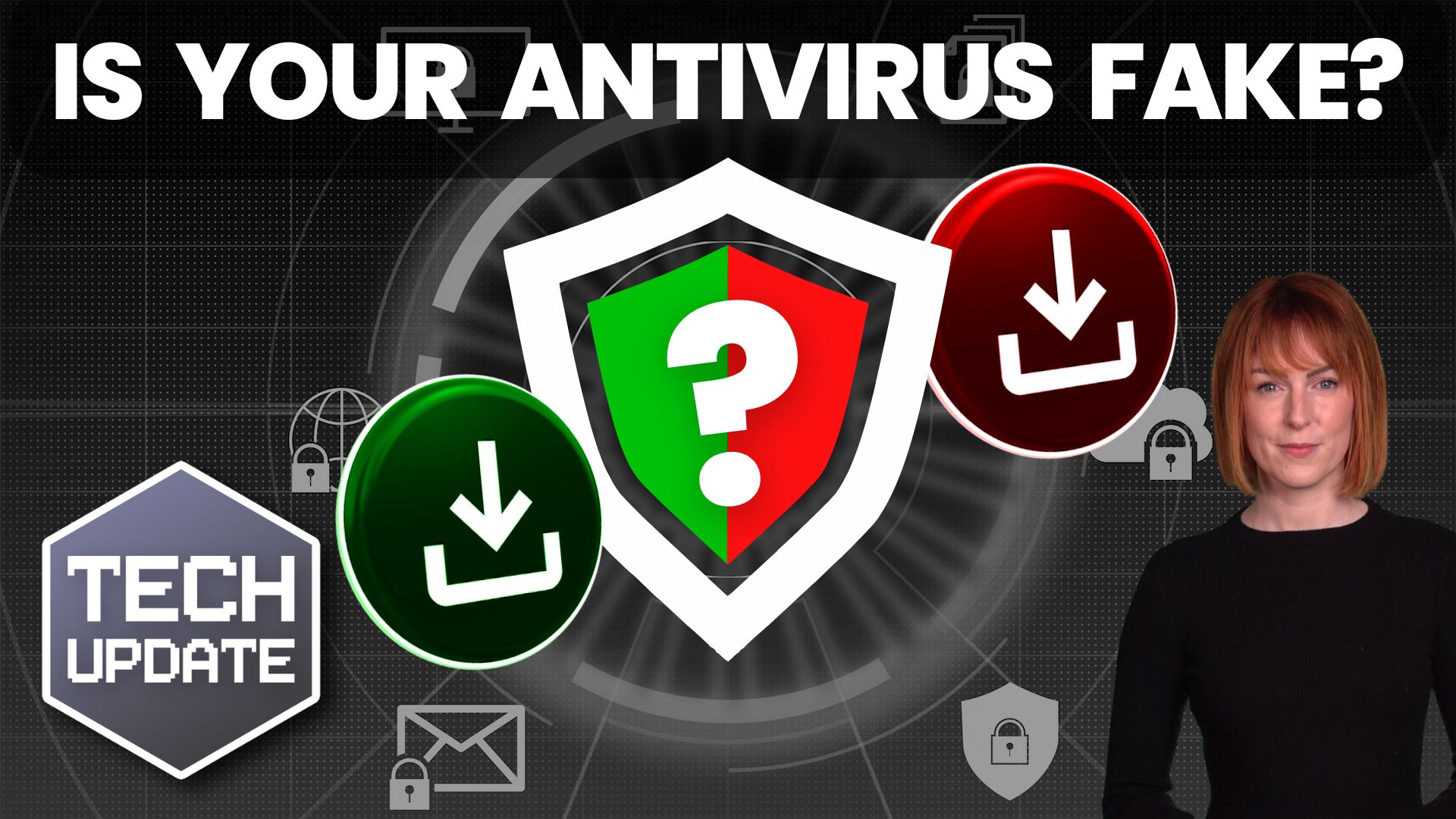
When you’re trying to protect your business, what could possibly go wrong by downloading antivirus software?

More than you might think.

If you’re not careful, that “antivirus” might be the threat.

Cyber criminals are getting better and better at creating fake websites that look just like the real thing. One recent example involved a convincing copy of the website of one of the most trusted names in cyber security.

The fake site looked nearly identical to the real one, complete with the download button in all the right places. But behind that button was a nasty surprise: Malware disguised as a helpful tool.

Clicking “Download” on the fake site didn’t install antivirus protection.

It triggered a download called StoreInstaller.exe, which installed something called VenomRAT. That’s short for Remote Access Trojan. A type of malware that gives attackers complete control of your computer without you knowing. It can steal passwords, record keystrokes, access webcams, and even open the door for more malicious software.

In this case, the goal wasn’t only spying. It was stealing.

Researchers say the cyber criminals behind this fake antivirus site were trying to grab login credentials and cryptocurrency wallet information. Once they had access, they could sell it to others or use it to steal money directly.

And it’s not just antivirus software they’re faking.

These criminals have also impersonated banks and IT service companies to trick people into letting their guard down. It’s easy to fall for. Especially when the fake sites are hosted on platforms like Amazon, making them look even more legitimate at a glance.

If your business falls victim to this kind of scam, the consequences can be severe. You could lose sensitive company data, have customer details exposed, or suffer financial losses.

The clean-up is expensive and stressful, not to mention the damage to your reputation if client information is involved.

The best defence is to be cautious.

Always check website addresses carefully. Never click on a link in an email or message unless you’re sure it’s genuine. And only download software – especially security tools – directly from a provider’s official website.

It’s also worth having a trusted IT partner (like us) who can double-check things if you’re not sure.

This is a reminder that cyber criminals don’t just rely on technical tricks. They rely on people being busy, distracted, or just trying to do the right thing. A little extra vigilance now can save you a huge headache later.

If you’re ever in doubt, we’re here to help you stay safe. Get in touch.  
Recent Posts

Messaging app scams are rising.

Messaging app scams are rising.

Messaging app scams are rising. Here’s what businesses need to know. Messaging app scams are becoming a growing risk for businesses of all sizes. Tools like WhatsApp, Microsoft Teams, Signal, and SMS are used every day to keep work moving, but criminals are now using...

Why Passwords Are Still Letting Businesses Down

Why Passwords Are Still Letting Businesses Down

Why Passwords Are Still Letting Businesses Down Most businesses still rely on passwords to protect their systems. However, that approach no longer fits the way people work. Some passwords are strong. Many aren’t. Worse still, people reuse most of them somewhere else....

The hidden cyber risk in everyday web habits

The hidden cyber risk in everyday web habits

The hidden cyber risk in everyday web habits Most cyber attacks don’t start with advanced hacking. They start with everyday behaviour that feels harmless at the time. When work and personal life share the same devices, browsers, and logins, small habits can quietly...

AI at Work: Why People Still Matter More Than Ever

AI at Work: Why People Still Matter More Than Ever

AI at Work: Why People Still Matter More Than Ever   The problem many businesses are feeling   Right now, a lot of people feel uneasy about AI at work. Some worry it might replace jobs. Others feel pressure to keep up with tools they do not fully understand....

Why Multi Factor Authentication isn’t enough!

Why Multi Factor Authentication isn’t enough!

Adversary‑in‑the‑Middle Attacks: Why MFA Alone Isn’t Enough You click a link, sign in, approve the MFA prompt, and get on with your day. Completely unaware that someone else just logged into your account at the same moment. That scenario surprises many organisations,...

AI in IT Operations and Automation

AI in IT Operations and Automation

AI in IT Operations and Automation: What’s Real and What’s Just Hype AI is everywhere right now. Every tool claims to be “AI‑powered”. Every vendor promises faster fixes, fewer issues, and smarter IT. It can all start to sound impressive and confusing at the same...

Why “break‑fix IT” costs more than managed support

Why “break‑fix IT” costs more than managed support

Why “break‑fix IT” costs more than managed support When something breaks, you call IT. When it’s fixed, you pay the bill. On the surface, break‑fix IT feels sensible. You only pay when you need help. No monthly commitment. No long contracts. It can feel like the...