

Home 9 Latest News 9 Microsoft’s fixing this annoying Windows 11 fault

Microsoft’s fixing this annoying Windows 11 fault

Windows 11 has brought some great features to the table for businesses. And Microsoft’s working to make it even better.

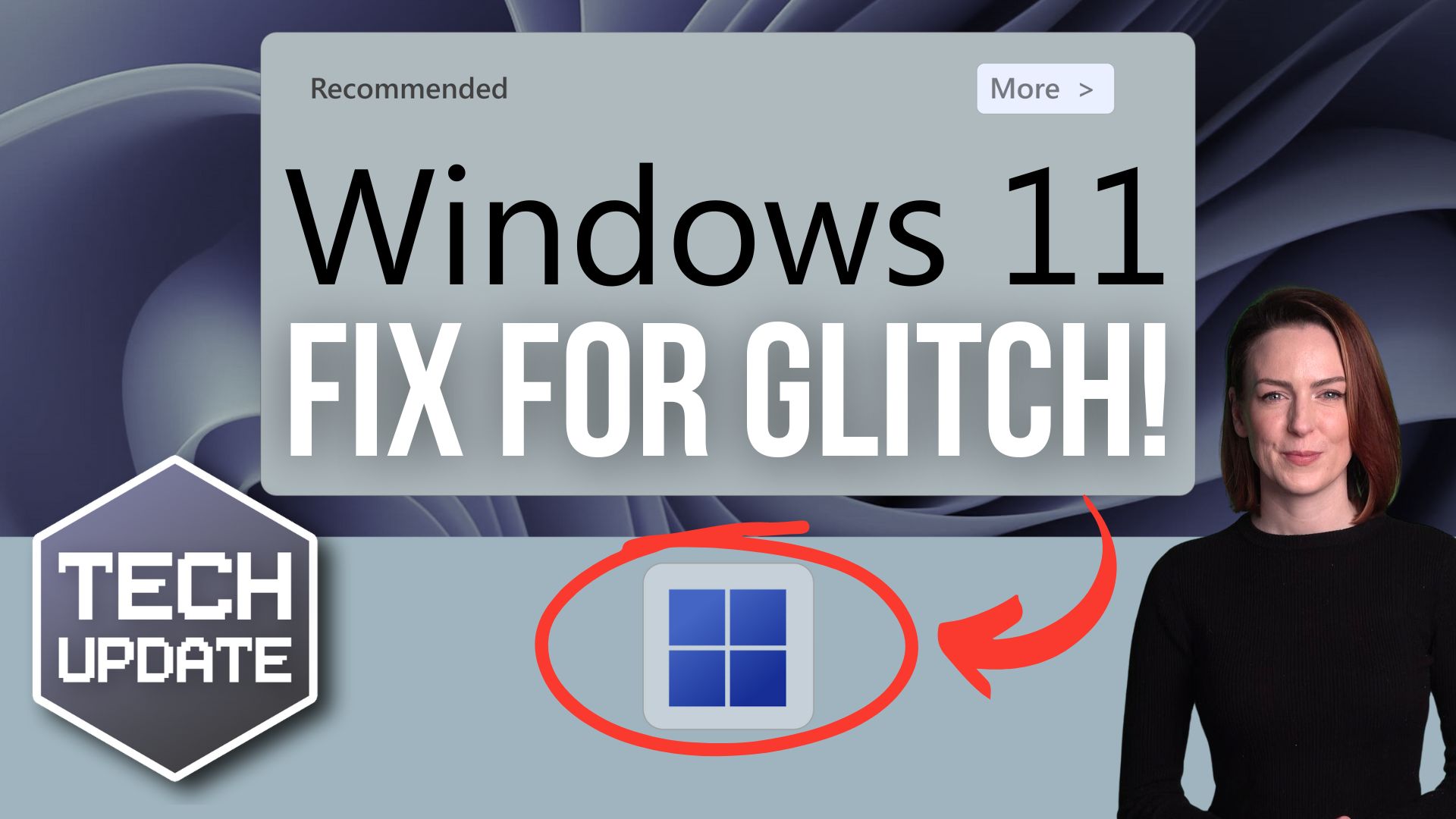
One thing I know many of us struggle with is the Recommendations feature in the Start menu. If you’ve ever clicked on it expecting to see something helpful, only to find suggestions that don’t make sense, you’re not alone. The good news is a fix is on the way.

First, let’s break down what the Recommendations feature is meant to do.

Essentially, it’s supposed to show you apps, files, or websites that Windows thinks you’ll want to open next, based on what you’ve used before. For example, any apps or websites you use regularly are supposed to pop up in your Recommendations for easy access.

Sounds useful, right? If it worked well, it could become a favourite time-saving feature for busy teams. But with suggestions often feeling random and unhelpful, many of us have been ignoring this part of the Start menu altogether.

So, what’s changing?

Microsoft’s started rolling out updates (currently in testing) to make Recommendations a lot smarter.

They’ve fine-tuned the way Windows understands what’s relevant to you. And early feedback suggests the updated feature is much better at showing things you actually need – like that file you were working on yesterday, or the app you use most during work hours.

If you’ve been frustrated by the Start menu in the past, keep an eye out for these improvements. They’re a step in the right direction.

Are you and your team taking advantage of all the other productivity-boosting features in Windows 11? If not, let us help you get started. Get in touch.

Recent Posts

Messaging app scams are rising.

Messaging app scams are rising.

Messaging app scams are rising. Here’s what businesses need to know. Messaging app scams are becoming a growing risk for businesses of all sizes. Tools like WhatsApp, Microsoft Teams, Signal, and SMS are used every day to keep work moving, but criminals are now using...

Why Passwords Are Still Letting Businesses Down

Why Passwords Are Still Letting Businesses Down

Why Passwords Are Still Letting Businesses Down Most businesses still rely on passwords to protect their systems. However, that approach no longer fits the way people work. Some passwords are strong. Many aren’t. Worse still, people reuse most of them somewhere else....

The hidden cyber risk in everyday web habits

The hidden cyber risk in everyday web habits

The hidden cyber risk in everyday web habits Most cyber attacks don’t start with advanced hacking. They start with everyday behaviour that feels harmless at the time. When work and personal life share the same devices, browsers, and logins, small habits can quietly...

AI at Work: Why People Still Matter More Than Ever

AI at Work: Why People Still Matter More Than Ever

AI at Work: Why People Still Matter More Than Ever   The problem many businesses are feeling   Right now, a lot of people feel uneasy about AI at work. Some worry it might replace jobs. Others feel pressure to keep up with tools they do not fully understand....

Why Multi Factor Authentication isn’t enough!

Why Multi Factor Authentication isn’t enough!

Adversary‑in‑the‑Middle Attacks: Why MFA Alone Isn’t Enough You click a link, sign in, approve the MFA prompt, and get on with your day. Completely unaware that someone else just logged into your account at the same moment. That scenario surprises many organisations,...

AI in IT Operations and Automation

AI in IT Operations and Automation

AI in IT Operations and Automation: What’s Real and What’s Just Hype AI is everywhere right now. Every tool claims to be “AI‑powered”. Every vendor promises faster fixes, fewer issues, and smarter IT. It can all start to sound impressive and confusing at the same...

Why “break‑fix IT” costs more than managed support

Why “break‑fix IT” costs more than managed support

Why “break‑fix IT” costs more than managed support When something breaks, you call IT. When it’s fixed, you pay the bill. On the surface, break‑fix IT feels sensible. You only pay when you need help. No monthly commitment. No long contracts. It can feel like the...