
Home 9 Latest News 9 FBI issues new ransomware warning

FBI issues new ransomware warning

When was the last time you stopped to think, “What would actually happen to my business if all our files were suddenly locked away?”

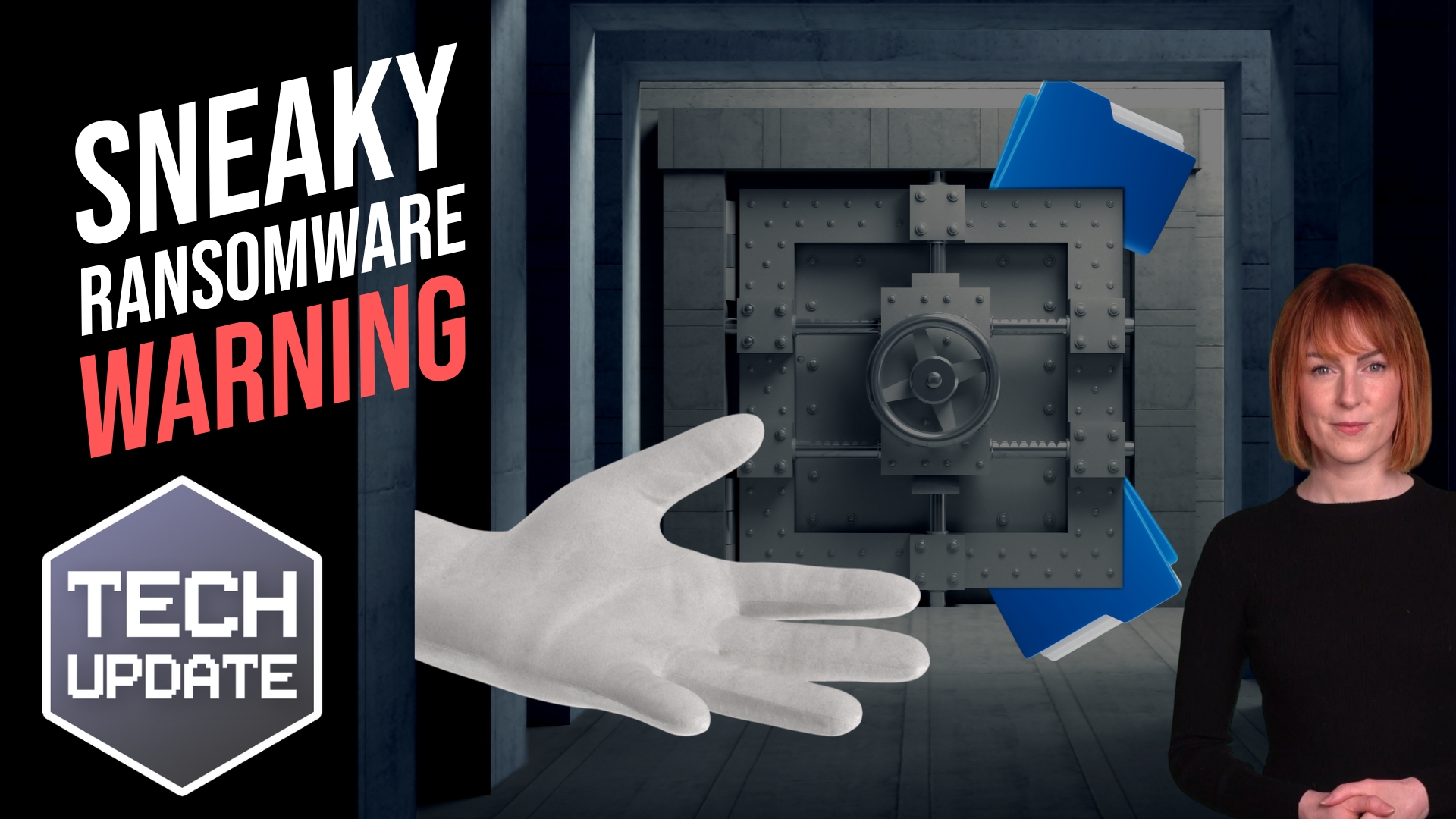
That’s exactly the nightmare scenario the FBI is warning about right now. They’ve issued a new security alert about a nasty ransomware group called Interlock.

If you haven’t heard of them before, don’t worry, this is what you need to know…

They only appeared in September 2024. But they’re already making a name for themselves by going after businesses and infrastructure in North America and Europe.

And Interlock is in it for the money. Their playbook looks like this: Break into your systems, quietly steal sensitive data, then encrypt everything so you can’t access it. Finally, they hit you with a ransom demand, usually giving you a short deadline (about four days) to pay up, or they’ll dump your files onto the dark web for anyone to see.

This “double-extortion” method has become standard practice among ransomware gangs, but Interlock is proving very aggressive.

The way they break in is smart. They set up fake browser or security updates, booby-trapped websites, and other tricks designed to make you click without thinking. Once they’re inside, they drop all kinds of malicious tools that let them spy, steal passwords, move through your network, and lock down files.

They’re not picky about systems either. They’ve developed tools to hit both Windows and Linux machines, which means pretty much any business could be a target.

Now, you might be wondering what this means for your business. The reality is that ransomware doesn’t just happen to big companies you read about in the news. Small and medium sized businesses are prime targets because attackers know security budgets are smaller, and they often see them as an easier win.

Imagine losing access to your client files, financial data, or critical day-to-day systems. Even if you manage to recover, the reputational damage can be just as costly as the downtime.

So, what can you do?

The FBI’s advice is clear:

  • Keep your systems patched and updated so attackers can’t exploit old flaws.
  • Make sure multi-factor authentication (that’s the extra code you enter after your password) is turned on wherever possible. It’s one of the simplest ways to block them.
  • Use web filtering and firewalls to keep malicious sites out.
  • Segment your network so if one part gets infected, the whole business doesn’t go down.
  • Most importantly, invest in security tools that can detect and stop suspicious behaviour before it spreads.

It might sound technical. But acting now is far less painful (and cheaper) than dealing with the aftermath of an attack. The FBI doesn’t issue these warnings lightly. Interlock isn’t going away anytime soon, and this is the perfect moment to make sure your business isn’t their next victim.

Need help keeping your business protected? Get in touch.
Recent Posts

What Are Passkeys, and Should Your Business Use Them?

What Are Passkeys, and Should Your Business Use Them?

Cybersecurity made simple Passkeys: The Safer, Simpler Way to Sign In Without Passwords Passwords have been causing businesses problems for years. They get reused, forgotten, guessed, leaked, written down, shared, and typed into fake login pages by mistake. Passkeys...

How are cyber attacks effecting your insurance?

How are cyber attacks effecting your insurance?

Cyber Insurance Renewal: What’s Changed and How to Avoid Claim Denial If your cyber insurance renewal feels harder this year, you’re not alone. Right now, many businesses are facing longer forms, tougher questions, and more pressure to prove their security. As a...

Could Someone Send Emails Pretending To Be Your Business

Could Someone Send Emails Pretending To Be Your Business

Cyber Security Guide Could Someone Send Emails Pretending To Be Your Business? Email spoofing is one of the simplest ways scammers can damage trust in your business. The good news is that three DNS records — SPF, DKIM and DMARC — can make it much harder for criminals...

Continuous Digital Transformation Partnerships

Continuous Digital Transformation Partnerships

Continuous Digital Transformation Partnerships Why outsourcing is no longer about handing work off, but moving forward together For many organisations, change never really stops. You upgrade one system, and another starts to fall behind. You move to the cloud, and...

5 Microsoft 365 Settings You Should Check Today

5 Microsoft 365 Settings You Should Check Today

5 Microsoft 365 Settings You Should Check Today (Especially if Your Setup Is a Few Years Old) If your Microsoft 365 system was set up a few years ago, there’s a good chance it’s not as secure as you think. Microsoft has improved security defaults over time. But those...

Could a Cyber Criminal Send Emails Pretending to Be You?

Could a Cyber Criminal Send Emails Pretending to Be You?

Could a Cyber Criminal Send Emails Pretending to Be Your Company Today? Imagine one of your customers receives an email from what appears to be your accounts department. The branding looks correct. The signature looks genuine. The email address seems legitimate. The...

How Outsourcing Is Driving Innovation in UK Businesses

How Outsourcing Is Driving Innovation in UK Businesses

Beyond Cost Savings: Outsourcing for Innovation Why UK businesses are turning IT partners into growth drivers The problem For a long time, outsourcing was just about saving money. You handed over IT tasks, reduced costs, and kept things running. But today, that...

How secure is your backup solution?

How secure is your backup solution?

Immutable Backups: The Cyber Insurance Question That Catches Businesses Out Immutable backups are now one of the most important parts of cyber insurance and ransomware protection. However, many businesses are not sure what they are or whether they already have them in...

What to do in case of a cyber attack

What to do in case of a cyber attack

Cyberattack? Here's Exactly What Your Business Should Do in the First Hour It's 2pm on a normal Monday. Your team are busy working, emails are flowing, and everything seems normal. Then suddenly something isn't right. Files won't open. Systems are running strangely. A...