
Home 9 Latest News 9 Beware these free tools – they may be hiding ransomware

Beware these free tools – they may be hiding ransomware

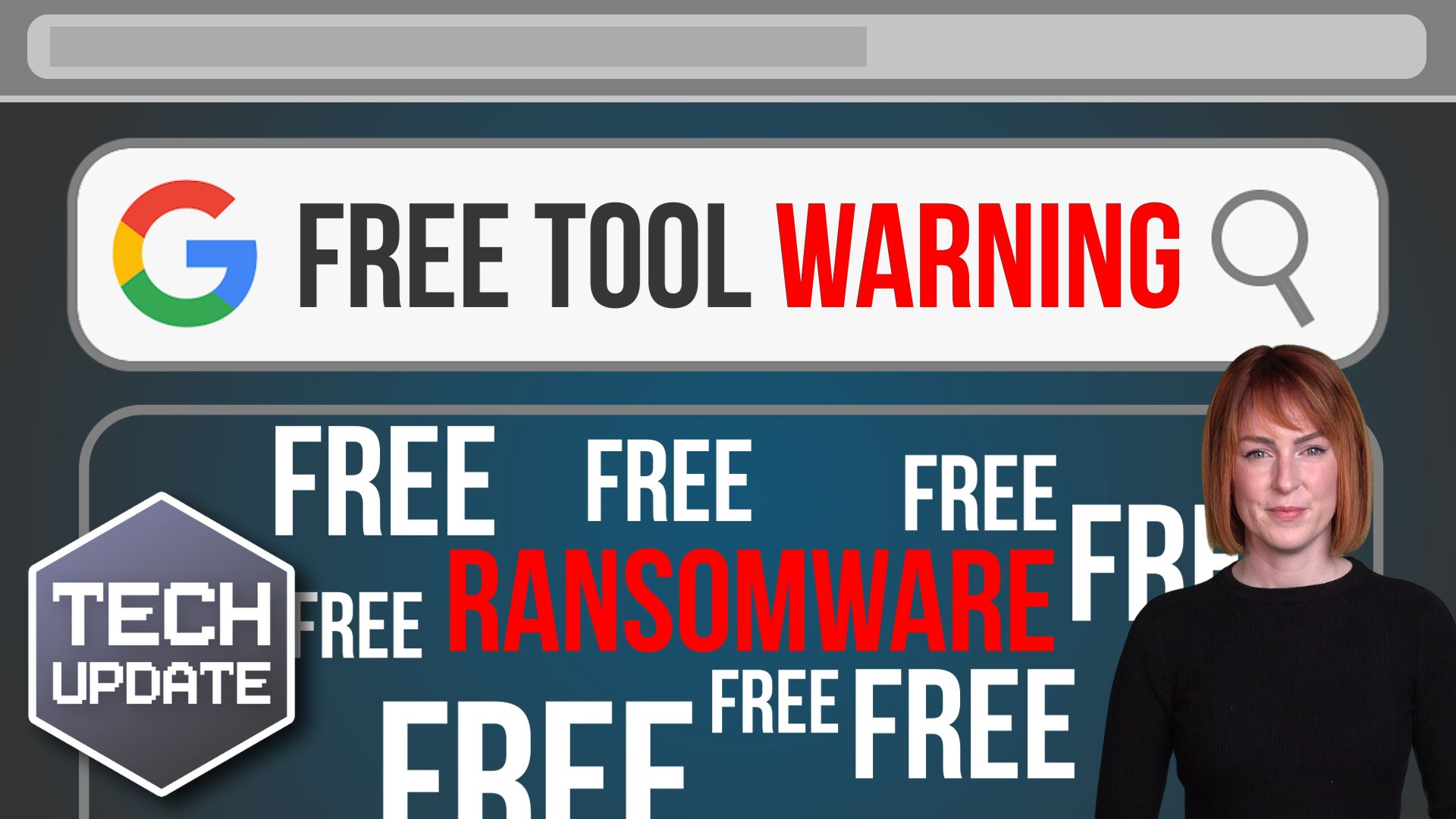
Ever needed to quickly convert a file, say, from a Word doc to a PDF? And found yourself Googling for a free tool to do it?

It seems harmless enough, right?

A quick download, a fast conversion, job done.

But what if I told you that one small click could secretly open the door to ransomware or data theft?

That’s exactly what the FBI is warning about right now. Yes, the FBI.

A file converter does exactly what it says. It takes a file in one format and turns it into another. Maybe you’ve got a PowerPoint that needs to be turned into a PDF for a client. Or you’ve got a bunch of images you want to bundle into a single document.

These tools are often free, and they work. But that’s where the danger lies. Because some of them come with strings attached.

Cyber criminals are using some of these free converters as a cover for more sinister activity. While the tool does what it promises, behind the scenes, it may also be installing something nasty on your system. Such as malware or even ransomware.

What does that mean?

Malware is malicious software. It’s designed to do something harmful without your permission. It might steal your data, spy on your activity, or mess with your files.

Ransomware is one of the worst types of malware. It locks your files so you can’t access them, then demands a payment (usually in cryptocurrency) to unlock them. It’s like someone sneaking into your office overnight, putting all your important documents in a safe, and then charging you to get the key.

Worse still, these tools can also scan the files you upload and scrape them for sensitive information. That could be things like your passwords, banking details, or even personal data. If you’ve ever uploaded something with a customer list, an invoice, or employee details, that’s the kind of gold cyber criminals are after.

The problem is these tools often look perfectly legitimate. And they do what they say on the tin, which makes them hard to spot. That’s why it’s so important to be cautious.

If your business needs quick file conversions, it’s far safer to use trusted, professional tools. The kind that come from known software providers, not random websites you find in a pinch.

Knowing how these scams work is your first line of defence. So, if you or your team ever use online tools like this, it’s worth reviewing where they come from… and whether they’re putting your business at risk.

Need help setting up safe, secure software alternatives for your team? We can do that – get in touch.

Recent Posts

Cyber Security Is Not Your Job. Understanding Business Risk Is.

Cyber Security Is Not Your Job. Understanding Business Risk Is.

Many business owners switch off the moment cyber security enters the conversation. They picture firewalls, software updates, security alerts and technical jargon. It feels like something that belongs firmly in the hands of IT professionals. The reality is very...

Cyber Confidence Guide and checklist.

Cyber Confidence Guide and checklist.

Welcome to the Cyber Confidence Guide Cyber security is no longer just an IT concern. It is a business priority. Whether your organisation has five employees or five hundred, protecting your systems, data and people is essential to maintaining trust, productivity and...

The 30-Minute IT Health Check Every Small Business Should Do

The 30-Minute IT Health Check Every Small Business Should Do

The 30-Minute IT Health Check Every Small Business Should Do Monthly Most IT problems don't appear out of nowhere. Backups quietly stop running, updates sit unfinished for weeks and old staff accounts stay active long after someone has left the business. A simple...

What Are Passkeys, and Should Your Business Use Them?

What Are Passkeys, and Should Your Business Use Them?

Cybersecurity made simple Passkeys: The Safer, Simpler Way to Sign In Without Passwords Passwords have been causing businesses problems for years. They get reused, forgotten, guessed, leaked, written down, shared, and typed into fake login pages by mistake. Passkeys...

How are cyber attacks effecting your insurance?

How are cyber attacks effecting your insurance?

Cyber Insurance Renewal: What’s Changed and How to Avoid Claim Denial If your cyber insurance renewal feels harder this year, you’re not alone. Right now, many businesses are facing longer forms, tougher questions, and more pressure to prove their security. As a...

Could Someone Send Emails Pretending To Be Your Business

Could Someone Send Emails Pretending To Be Your Business

Cyber Security Guide Could Someone Send Emails Pretending To Be Your Business? Email spoofing is one of the simplest ways scammers can damage trust in your business. The good news is that three DNS records — SPF, DKIM and DMARC — can make it much harder for criminals...

Continuous Digital Transformation Partnerships

Continuous Digital Transformation Partnerships

Continuous Digital Transformation Partnerships Why outsourcing is no longer about handing work off, but moving forward together For many organisations, change never really stops. You upgrade one system, and another starts to fall behind. You move to the cloud, and...

5 Microsoft 365 Settings You Should Check Today

5 Microsoft 365 Settings You Should Check Today

5 Microsoft 365 Settings You Should Check Today (Especially if Your Setup Is a Few Years Old) If your Microsoft 365 system was set up a few years ago, there’s a good chance it’s not as secure as you think. Microsoft has improved security defaults over time. But those...

Could a Cyber Criminal Send Emails Pretending to Be You?

Could a Cyber Criminal Send Emails Pretending to Be You?

Could a Cyber Criminal Send Emails Pretending to Be Your Company Today? Imagine one of your customers receives an email from what appears to be your accounts department. The branding looks correct. The signature looks genuine. The email address seems legitimate. The...