

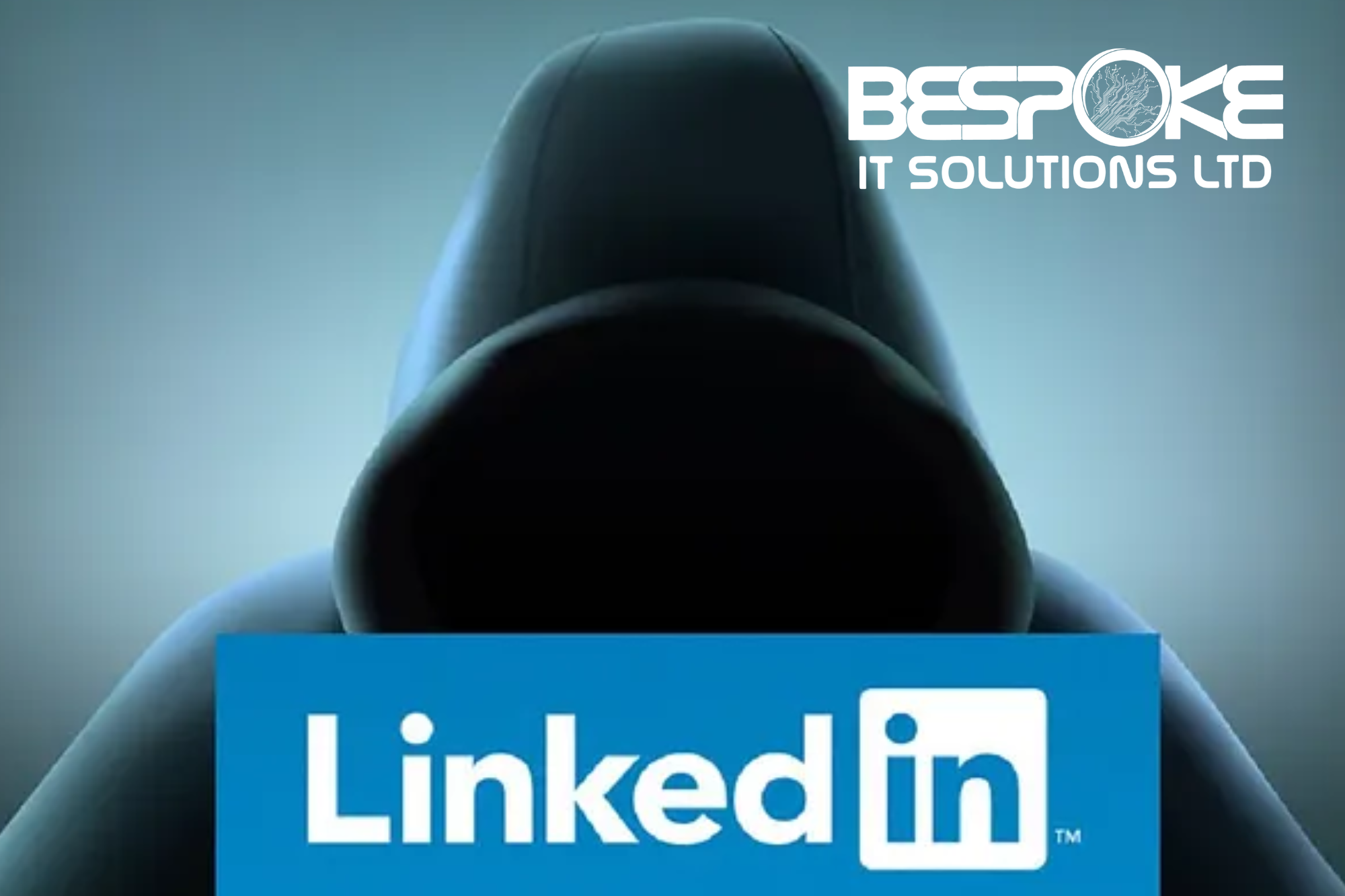
LinkedIn Recruitment Scams: The Threat That Looks Like a Normal Conversation
Most cyber attacks don’t start with obvious malware or scary warning signs.
They start with a message that looks completely normal.
A fake recruiter reaches out on LinkedIn. The profile looks professional. The role sounds believable. The message feels like everyday networking.
That’s why LinkedIn recruitment scams work so well inside real businesses. They don’t feel like an attack. They feel like an opportunity.
One small action is all it takes. Click a link. Open a file. Verify a detail. Move the chat to email or WhatsApp.
From there, the scam does the rest.
The good news is these scams are easy to stop once you know the pattern.
A few simple checks, clear hard stops, and a safe way for your people to report suspicious messages can shut them down without slowing anyone down or creating fear.
When your team knows what to look for, the scam loses its power. Your business stays secure, and your people stay confident.
What Are LinkedIn Recruitment Scams?
LinkedIn recruitment scams blend into normal professional behaviour.
They borrow trust from well known brands, polished profiles, and familiar hiring language. At first glance, nothing feels wrong.
LinkedIn has confirmed it removes tens of millions of fake accounts every year, most of them before users ever see them. Even so, enough slip through to reach real employees, especially when scammers tailor messages to specific industries and locations.
These scams work because they follow a simple persuasion pattern:
- A sense of urgency
- Borrowed authority
- A push to take the next step quickly
Once someone is nudged into treating the conversation as real, the scam doesn’t need advanced technology. It just needs momentum.
The Scam Pattern Most Teams Miss
1. A polished LinkedIn approach
The profile looks credible. The role sounds plausible. The tone is professional and friendly.
The job description, however, is often vague. Responsibilities are broad. Details are light. Promises come later.
That lack of clarity is deliberate.
2. A fast move off LinkedIn
Very quickly, the recruiter suggests switching to email, WhatsApp, Telegram, or a “recruitment portal”.
This matters because it removes LinkedIn’s built in safety checks and makes it easier to send links, files, and instructions without scrutiny.
3. A credibility wrapper
Next comes something official sounding.
An assessment.
An interview pack.
Onboarding steps.
A scheduling link.
An interview pack.
Onboarding steps.
A scheduling link.
This step is designed to feel routine while encouraging downloads, logins, or form filling.
4. The real goal
At this point, the scam pivots.
Common requests include:
- Payment for equipment or training
- Early requests for personal or financial information
- Verification steps designed to steal login codes
- Links that lead to fake sign in pages
None of these are normal in a genuine recruitment process.
5. Pressure to keep moving
If there’s hesitation, urgency increases.
“Limited slots.”
“Fast track hiring.”
“Needs completing today.”
“Fast track hiring.”
“Needs completing today.”
The scam depends on speed. Slowing down breaks it.
Red Flags Your Team Should Always Watch For
Red flags in job listings
- Roles that are vague or overly broad
- Company pages that feel thin or inconsistent
- Promises of fast hiring with very few steps
If it sounds too easy, pause.
Red flags in recruiter behaviour
- Pushing conversations off LinkedIn early
- Using personal email addresses instead of company domains
- Avoiding basic verification questions
These are signals, not scheduling issues.
Hard stop requests
Your team should treat these as immediate stop points:
- Any request for money, fees, gift cards, crypto, or upfront costs
- Requests for bank details, identity documents, or tax information early on
- Requests to read back one time security codes
- Requests for non public company information
A real recruiter will never ask for these.
Stop Recruitment Scams With Simple Defaults
Their problem
These scams don’t work because people are careless.
They work because the process feels familiar, normal, and urgent.
Our solution
The fix isn’t turning your team into investigators. It’s setting clear defaults:
- Slow down before clicking links or opening files
- Verify recruiters and roles through official company channels
- Keep conversations on LinkedIn until identities are confirmed
- Treat money requests, code requests, and early data demands as hard stops
Make these habits standard, and the scam loses its leverage.
The benefit to you
Your people stay protected without fear. Your business stays secure without friction.
And when something feels off, your team knows exactly what to do next.
How Bespoke IT Helps
At Bespoke IT Solutions, we help organisations protect their people from real world threats like social engineering and recruitment scams.
You’ll always speak to real people who understand how these attacks work in practice, not just on paper. We tailor security advice, training, and protection around how your business actually operates.
If you want help putting simple, effective safeguards in place, get in touch with our team today.
We’ll help you stay secure, productive, and confident.