
Home 9 Latest News 9 Fraud is costing businesses MILLIONS

Fraud is costing businesses MILLIONS

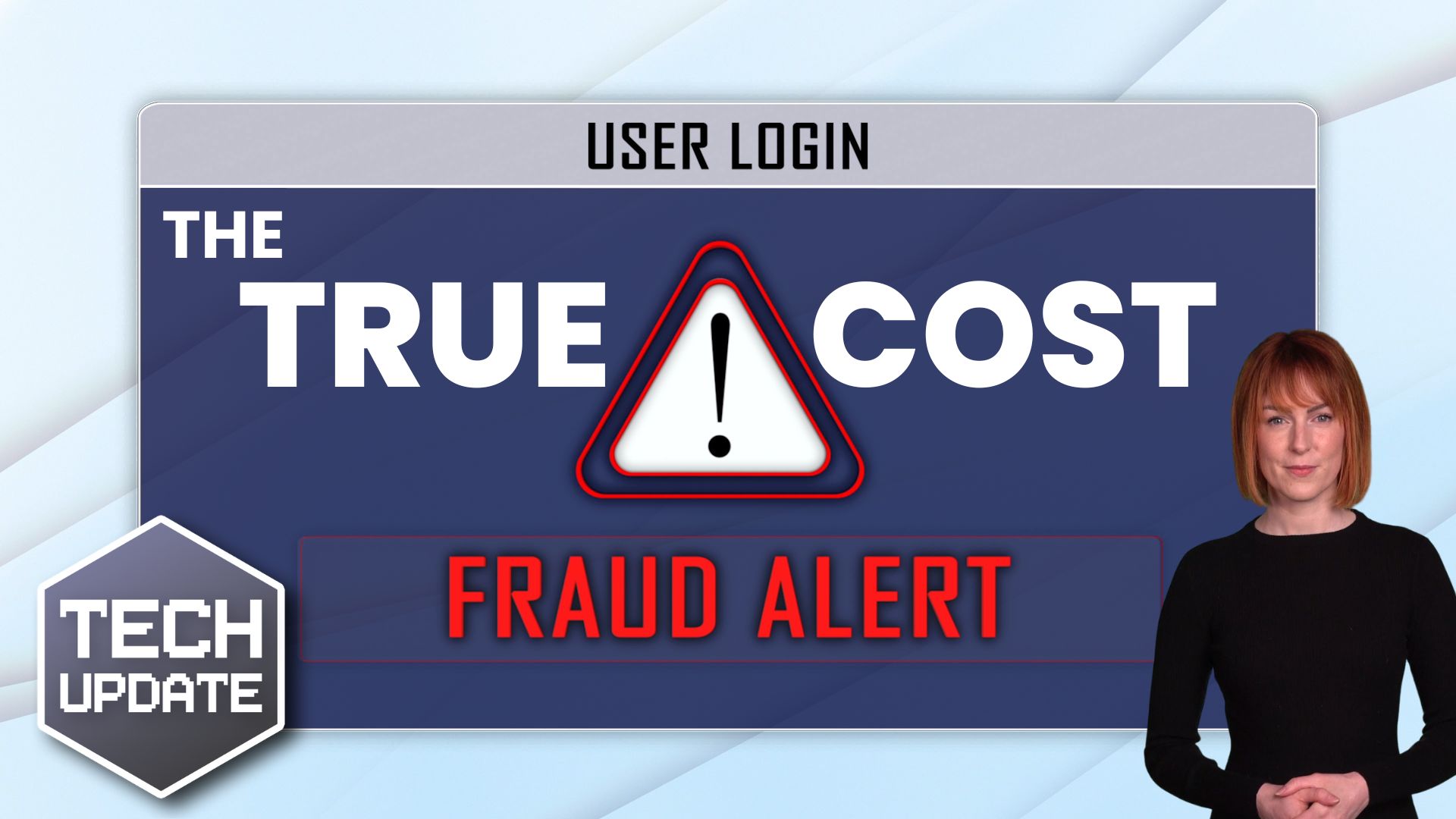
Have you ever stopped to think how much fraud could be costing your business?

It’s easy to consider fraud as a problem for big companies. The kind with thousands of employees and dedicated security teams.

But that’s a dangerous assumption.

Fraud is a growing threat to companies of every size. And small to medium sized businesses are often more exposed.

Why?

Because they typically don’t have the same layers of protection, resources, or formal training in place.

I’m talking specifically about identity fraud. When someone pretends to be a trusted contact (like your staff, suppliers, or customers) to steal money, access data, or infiltrate systems.

It might be a fake email from someone posing as your finance manager requesting an urgent payment. Or a cyber criminal using stolen login credentials to access sensitive business tools.

And the most common entry point? Stolen usernames and passwords. A trick that’s been around forever but still works.

With modern AI tools, scams are becoming harder to spot. Criminals can now fake emails, voices, and even videos that look and sound just like the real thing.

Around 69% of businesses say they’ve seen a rise in fraud attempts.

There is good news.

Businesses that adopt better identity protection, like biometric logins, device recognition, and AI-driven fraud detection, are seeing real results. Many are reporting significant savings and far fewer fraud-related costs.

Even small improvements can make a big difference. Start by reviewing your login practices:

  • Are passwords randomly generated and never used for more than one application?
  • Do you use multi-factor authentication, where you get a code on another device to prove it’s you?
  • Can your team spot suspicious emails or messages, thanks to training?

The goal isn’t to make life harder. It’s to build smart, people-friendly security that protects your business without slowing you down.

Need a hand reviewing your current setup or figuring out which tools fit your needs? My team and I are here to help. Get in touch.

Recent Posts

How Often Should a Business Replace Its Computers?

How Often Should a Business Replace Its Computers?

YOUR-HERO-IMAGE-URL Business IT Guidance How Often Should a Business Replace Its Computers? Three to five years is a useful planning range, but security, reliability, and the needs of your team should guide the final decision. Quick answer: Start reviewing each...

Public Sector Legacy IT: Can Automation Reduce Backlogs?

Public Sector Legacy IT: Can Automation Reduce Backlogs?

Public Sector Digital Transformation The Public Sector Doesn’t Need Fewer People. It Needs Fewer Blockages. Outdated systems and manual processes are draining time from public services. Better integration and sensible automation could help staff reduce backlogs and...

Microsoft Global Outage: What Businesses Need to Know

Microsoft Global Outage: What Businesses Need to Know

Microsoft Global Outage: What's Happening, What We Know and What Businesses Need to Know Published: 13 November 2026 | Service Update: Microsoft 365 Global Disruption A significant global disruption affecting Microsoft services is currently causing difficulties for...

Cyber Security in Local Government: Is Your Council Ready?

Cyber Security in Local Government: Is Your Council Ready?

Cyber security and local government When the council goes offline, cyber security suddenly becomes everyone's problem Cyber security in local government is not simply about protecting computers. It is about keeping essential services running and making sure residents...

Business Continuity & IT Resilience: Is Your Business Prepared?

Business Continuity & IT Resilience: Is Your Business Prepared?

BUSINESS CONTINUITY & IT RESILIENCE Could Your Business Keep Going If Your IT Couldn't? Cyber attacks, power failures, hardware problems and human error don't have to become business disasters. The difference is often how well prepared you are to recover. For most...

AI Stock Market Sell-Off: What It Means for UK SMEs

AI Stock Market Sell-Off: What It Means for UK SMEs

AI, technology and UK business Global tech stocks plunge as AI slowdown fears spread Technology shares have fallen sharply across America, Asia and Europe as investors question whether the enormous AI boom can continue at its current pace. For UK SMEs, this is not a...

AI in education

AI in education

AI in Education: What School Leaders Need to Get Right Artificial intelligence is already entering education. The challenge for leaders is ensuring that it strengthens learning, supports staff and prepares pupils for the future without compromising safeguarding,...